Congress Realty is a flat fee MLS brokerage serving Phoenix homeowners. The home improvements that may support resale value in 2026 aren’t always the biggest projects: a polished garage door, targeted kitchen updates, or energy-efficient windows can shape buyer perception without requiring a full renovation. The right choice depends on the home and what local buyers value.
It’s natural to assume a major remodel will bring the strongest return. But resale impact depends on more than project size: visible condition, everyday usefulness, and fit with the home all matter. Spend with a clear purpose, not simply to make the property newer.
This guide explains how garage door upgrades, minor kitchen remodels, and energy-efficient windows may affect resale value and buyer appeal. You’ll also learn to weigh potential value against project scope, prioritize improvements that suit your home, and avoid paying for upgrades buyers may not value as much.
Key Takeaways
- Garage door replacement stands out for reported resale returns, while steel entry doors and manufactured stone veneer can also strengthen a home’s first impression.
- Landscaping and simple curb appeal updates can influence how buyers perceive a property before they step inside.
- Minor kitchen updates may offer a different resale equation than a full remodel. Consider bathroom fixtures, grout, and lighting as focused ways to refresh the home.
- Energy-efficient windows are only one part of an efficiency picture that can include insulation, HVAC, and smart thermostats.
- For a Phoenix home, weigh each project’s likely buyer appeal against its scope, then prepare the listing to present the home clearly.
Garage door replacement
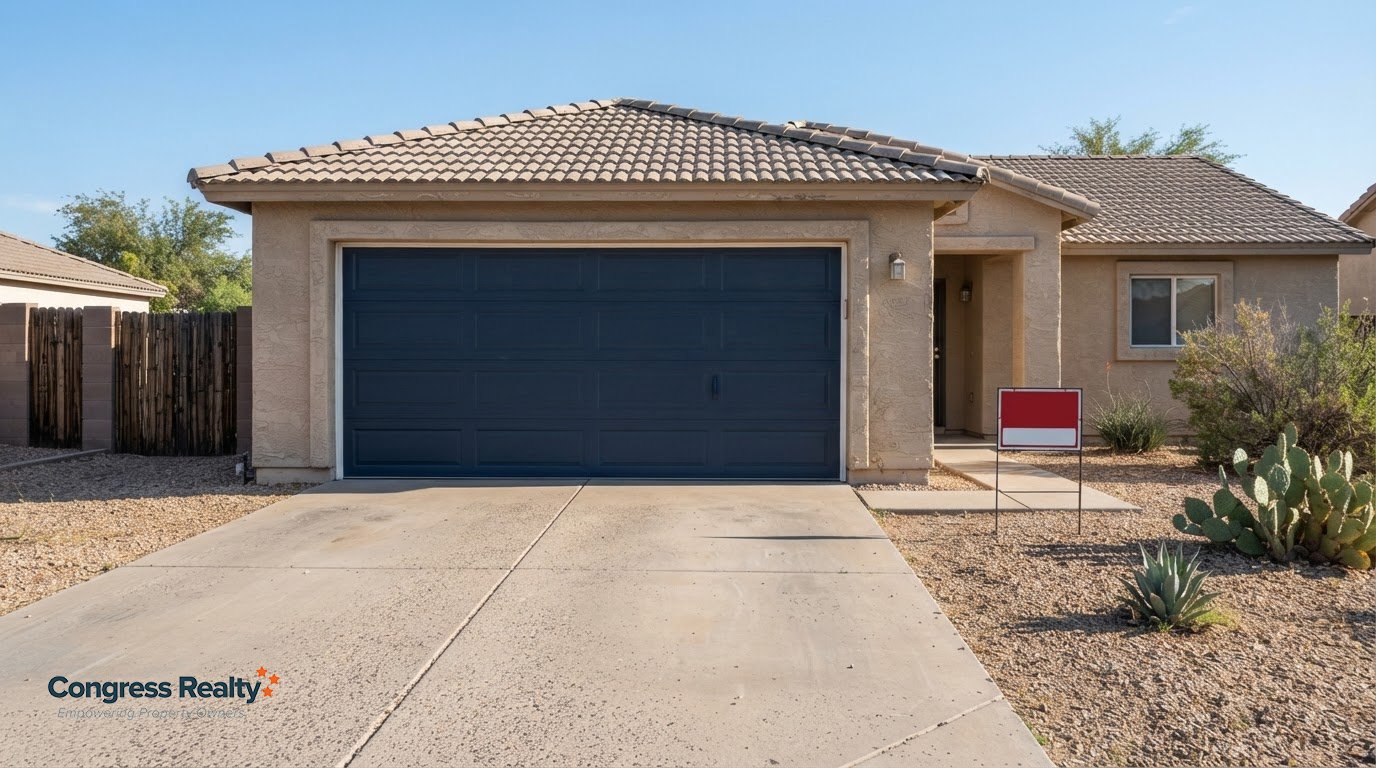
A garage door replacement can improve curb appeal and shape buyers’ first impression. The exterior sets expectations for how consistently a home has been maintained. In Phoenix, view the door from the street and compare it with the rest of the facade. A dented panel, faded finish, or dated hardware can make an otherwise cared-for property feel less polished. Start with the visible issues buyers may notice during a showing.
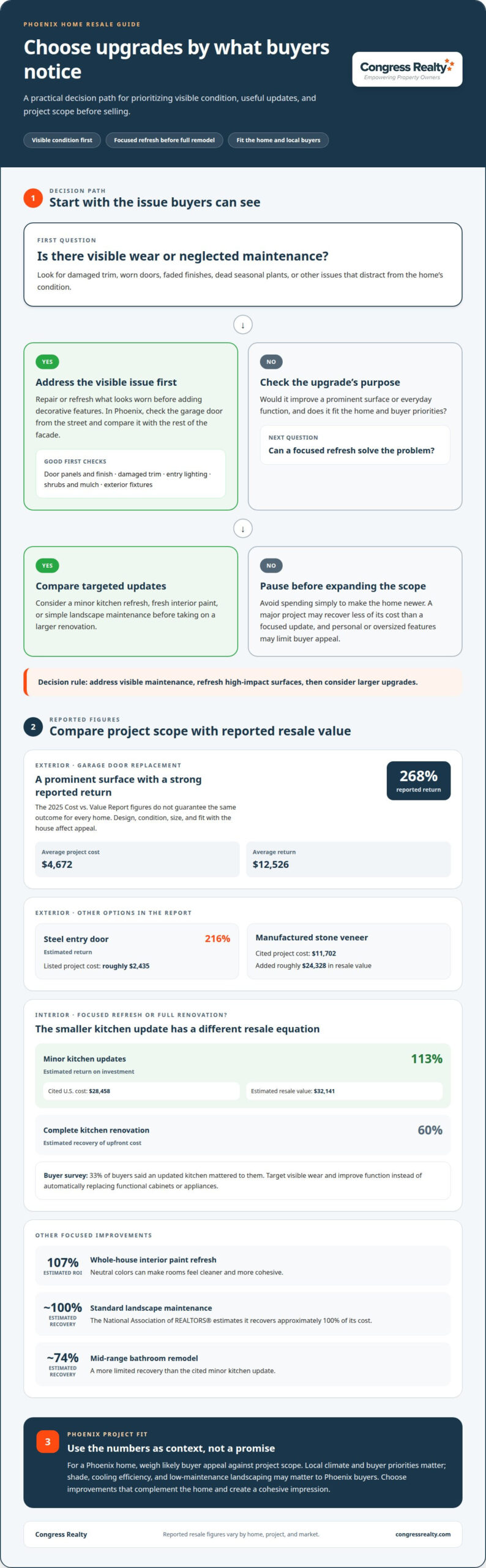
The 2025 Cost vs. Value Report places garage door replacement at a 268% return, with an average project cost of $4,672 and an average return of $12,526. Those figures make this upgrade stand out among resale projects, but they don’t mean every home will recover the same amount. Size, condition, design, and how well the new door suits the house all affect its appeal. Choose a style that complements the exterior rather than treating the garage as a separate addition.
Start with a practical review: inspect the door’s panels, finish, hardware, and fit with the home’s architecture. Then decide whether a refresh or full replacement addresses the most visible problems. A clean, coordinated appearance matters more than features buyers may not value. Before selling, consider the garage door alongside the entry door, siding, and landscaping so the exterior feels cohesive.
Steel entry doors also show strong resale potential. The 2025 Cost vs. Value Report estimates a 216% return for steel entry door replacement, with a listed project cost of roughly $2,435. The front door gives buyers a direct first impression, so its condition and appearance can reinforce the same sense of care as a new garage door. If both doors look worn, prioritize the update that most clearly improves the home’s street-facing presentation.
Manufactured stone veneer offers another exterior option to consider. The cited project cost was $11,702, and the project added roughly $24,328 in resale value. This is a larger design change than replacing a door, so consider whether stone accents fit the home’s existing materials. A small, coordinated feature can look intentional; an oversized installation may compete with the entry and garage.
Compare each project’s scope with its visible effect before committing. A garage door addresses a large, prominent surface, while a steel entry door refreshes the focal point buyers approach first. Manufactured stone veneer adds texture but involves a broader exterior change. Use the reported figures as context, then choose improvements that suit the property and create a cohesive impression for real estate buyers.
Which Home Improvements Add the Most Resale Value?
Home improvements that may support resale value in 2026 depend on the home’s condition, project scope, and buyer priorities. Minor kitchen updates can deliver an estimated 113% return, while a mid-range bathroom remodel recovers around 74% of its cost. The National Association of REALTORS® estimates standard landscape maintenance recovers approximately 100% of its cost. Compare each project’s scope and visibility before choosing; a focused refresh may make more financial sense than a major remodel.
Curb appeal shapes a buyer’s first impression before a showing begins. Trim shrubs, add fresh mulch, and remove dead seasonal plants to make the entrance look maintained. Manufactured stone veneer can add texture around an entry or facade, but it should complement the home’s existing materials. Keep the design cohesive so the stone looks like an intentional accent, not a disconnected upgrade.
Interior paint offers another focused option. Neutral colors can make rooms feel cleaner and more cohesive, while a whole-house interior paint refresh can deliver an estimated 107% return on investment. Pair fresh paint with working entry lighting and tidy exterior fixtures. These small improvements help buyers notice the home’s condition instead of distractions during a walkthrough.
Some upgrades can reduce appeal if they add upkeep or limit buyer preferences. Highly personal paint colors, elaborate landscaping, and oversized stone features may make a home feel harder to adapt. Before replacing materials, identify what looks worn or out of place. Repairing a neglected area may improve the impression more than adding a decorative feature that clashes with the house.
Which improvements offer the most value varies across U.S. regions and housing markets. Local climate and buyer priorities matter: Phoenix homeowners may emphasize shade, cooling efficiency, and low-maintenance landscaping, while other markets may prioritize different features. Home improvements for resale value in 2026 should fit local expectations rather than follow one national formula.
Prioritize improvements before selling in three steps: address visible maintenance, refresh high-impact surfaces, then consider larger upgrades. For example, repair damaged trim before repainting, and update a dated entry before adding decorative stone. This sequence keeps curb appeal consistent from the street to the interior. It also directs investment toward noticeable issues instead of features buyers may overlook.
Is a kitchen remodel worth it before selling?
A minor kitchen refresh can make sense before listing, but a full renovation may not. Minor kitchen updates have an estimated 113% return on investment, while a complete kitchen renovation recovers an estimated 60% of its upfront cost. In industry buyer surveys, 33% of buyers said an updated kitchen mattered to them. Target visible wear and improve function instead of rebuilding everything.
A midrange minor kitchen remodel costs $28,458 in the cited U.S. estimate and has an estimated resale value of $32,141. These figures offer a useful comparison, not a reason to replace functional cabinets or appliances automatically. Refinishing or refacing cabinets, refreshing paint, or updating worn hardware can give a kitchen a cleaner impression without changing its entire layout.
Bathrooms also benefit from focused work. A mid-range bathroom remodel in the United States costs between $25,000 and $40,000 and recovers around 74% of its cost at resale. For a smaller refresh, clean or renew grout, replace dated fixtures, improve lighting, and repaint walls. These steps can make the room feel cared for without turning a simple update into a larger renovation.
Prioritize what buyers will notice and use. Fix a dripping faucet, replace a visibly worn vanity light, and address cracked grout before choosing decorative upgrades. In the kitchen, repair a damaged cabinet door or refresh a tired backsplash. Keep finishes consistent across adjoining rooms, and avoid replacing functional materials just to match a personal style.
Permit, building-code, and disclosure rules depend on the property’s jurisdiction and the renovation’s scope. Before work begins, identify local requirements for plumbing, wiring, or structural changes, and keep records of completed work for accurate sale disclosures.
Use a simple sequence: handle repairs first, refresh visible surfaces next, then consider larger renovations. For example, repair a bathroom leak before installing new fixtures, and address kitchen cabinet damage before painting. This order protects the work and directs spending toward functional improvements. Compare each project with the home’s condition and the buyer impression it can realistically improve.
Energy-efficient windows
Energy-efficient windows can improve comfort and help buyers understand a home’s operating features. Replacing 10 old windows with new vinyl models costs around $21,000 and returns about 67% at resale. New vinyl windows have an estimated resale cost recovery of 74% of their upfront cost, compared with 71% for new wood windows. These estimates show why window material and project scope matter.
Whole-house Energy Star windows cost approximately $15,000-$25,000 in the United States and are estimated to save $250-$500 per year on energy costs. Those savings can help buyers assess ongoing efficiency, but they don’t mean window replacement always ranks among the highest-return projects. Prioritize drafty or visibly worn windows before replacing functional ones solely for a newer appearance.
Insulation and HVAC also affect comfort and energy use. An attic insulation upgrade costs approximately $1,500-$3,500 and is estimated to save $200-$600 per year on energy costs. A heat pump HVAC system costs approximately $4,500-$12,000 and is estimated to save $500-$1,000 per year on energy costs. In Phoenix, efficient cooling and a well-maintained system can make practical selling points.
A smart thermostat offers a smaller, focused upgrade. A smart thermostat costs $200-$300 and can reduce energy use by 10-15%. Pair it with clear instructions and a working HVAC system so buyers can understand how the controls operate. For a home with older flooring or dated landscaping, compare this functional improvement with visible repairs before choosing where to invest.
Energy-efficient upgrades can support buyer appeal and reduce utility use, but resale recovery varies by project. In 2026, homeowners cannot claim the Energy Efficient Home Improvement Credit (Section 25C) or Residential Clean Energy Credit (Section 25D) for new claims under those credits: according to the Internal Revenue Service, both expired on December 31, 2025.
Plan the work in practical steps: identify comfort issues, prioritize needed repairs, then compare replacement options with likely energy savings. Energy-efficient upgrades such as new windows and added insulation typically recover 50% to 70% of their cost at resale. Treat that range as a planning reference, not a reason to remodel features that already work. Select improvements that deliver a clear benefit buyers can recognize.
Home improvement ROI and buyer perception
Return on investment compares a project’s cost with its estimated resale value, but buyers also consider comfort, condition, and future upkeep. The 2025 U.S. estimate for a wood deck puts its cost at approximately $17,000-$22,000, with owners recouping about 83% at resale. A finished basement costs $30,000-$50,000 and can return up to 86% of the investment. These examples show why project scope matters.
There isn’t one average cost or resale value for common renovations in 2026. Materials, home condition, project size, and local buyer priorities all affect the calculation. Sellers comparing home improvements with estimated resale value in 2026 should weigh estimated recovery alongside usefulness. A bathroom with sound plumbing and practical storage may appeal more than expensive fixtures if essential repairs remain unfinished.
Buyer perception can affect which improvements matter most. In Clever Real Estate’s 2024 U.S. buyer survey, 28% of recent buyers said their most common regret involved a home requiring too much maintenance. Address visible defects and recurring maintenance concerns before adding decorative features. For example, repair a leaking faucet, damaged flooring, or sticking door before replacing functional finishes.
Different projects also produce different estimated returns. Hardwood floor refinishing has an estimated 147% return on investment, while a wood deck addition returns about 83% of its cost. These figures are estimates, not guaranteed outcomes. Refinishing existing floors preserves useful materials; adding a deck creates outdoor space and requires a larger investment. Consider buyer appeal, future upkeep, and the condition each project addresses.
Use a simple decision process before committing. First, list necessary repairs, such as a bathroom leak. Next, identify visible updates that improve function, including replacing worn fixtures or restoring hardwood. Finally, compare larger renovations with neighborhood expectations and the home’s condition. This sequence directs spending toward issues buyers can see and use, rather than upgrades with little practical value.
For a Phoenix home, buyer priorities may also reflect local climate and daily comfort. A maintained cooling system, functional outdoor space, and manageable landscaping can shape perception alongside interior renovations. Sellers choosing home improvements with estimated resale value in 2026 should consider those local priorities, not rely on one ROI figure. Compare each project’s estimated recovery, the maintenance it removes, and the experience it creates for buyers.
Congress Realty
Congress Realty can help Phoenix homeowners move from improvement decisions to preparing a home for sale. Once you’ve chosen which repairs or updates make sense, an MLS listing gives you a practical next step toward marketing the property, with the same exposure as listings for which sellers paid full commission. You stay in control of which projects to complete, how to present the home, and when to move forward.
Use the home’s current condition to guide listing preparation. For example, finish a kitchen refresh before photographing the room, or complete exterior touch-ups before setting up a Virtual Tour. A clear sequence helps the home’s presentation reflect the improvements buyers will see in person. It also means you don’t need to treat every possible renovation as a requirement before selling.
Congress Realty offers tools that support different parts of property marketing. An MLS listing provides the same exposure as listings for which sellers paid full commission. Yard Signs identify the home for people passing by, while a Virtual Tour can show its layout online. An eLockbox supports property access. Choose the tools that fit your selling approach and how you want to present the home.
For a Phoenix seller, the next step is to organize the home’s details and decide how to present its condition in the listing. Note completed repairs and updates, provide clear property information, and consider which marketing features suit the home. If a new garage door, refreshed bathroom, or energy-related improvement shaped your decision to sell, make sure the listing reflects the property accurately rather than promising a specific return.
The renovation decision and the sale decision relate to each other, but they remain separate choices. Prioritize repairs that address visible issues, then decide whether additional improvements fit your plans. Congress Realty provides listing options while leaving those choices in your hands. Consider the home’s readiness, the marketing tools you want to use, and your timing before moving to the next step.
If you’re preparing to sell in Phoenix, contact Congress Realty to discuss your listing.
Frequently Asked Questions
Do improvements matter more in a buyer’s market?
Improvements can help a home compete in a buyer’s market, but they don’t guarantee a faster sale or higher offer. Buyers have more choices, so visible maintenance and a clear, accurate presentation can help a property stand out. Prioritize repairs that address objections, such as a damaged fence or persistent leak. Avoid major upgrades solely to outspend nearby listings; focus on condition and usefulness.
How do I know if I’m over-improving for my neighborhood?
Compare your renovation budget with the neighborhood’s median sale price and the condition of nearby homes. A renovation budget exceeding 10-15% of a home’s pre-improvement value may indicate over-improvement. Also consider whether the project matches the area’s typical features. For example, a high-end outdoor kitchen may be hard to justify if nearby buyers prioritize move-in-ready basics. Set a spending limit before work begins.
Should I DIY or hire a contractor?
Choose DIY for manageable cosmetic work, such as painting a small room or replacing cabinet hardware, if you can do it neatly and safely. Use a qualified contractor for structural changes, complex electrical tasks, or plumbing repairs. A poor finish can undermine the presentation you want to improve. Before deciding, consider the project’s complexity, your available time, and whether mistakes could lead to further repairs.
What if I can’t afford home improvements before listing?
You can prepare a home without taking on a major renovation. Focus on decluttering, cleaning, mowing, and simple maintenance, such as tightening a loose knob or fixing a sticking interior door. Organize receipts and notes for repairs you completed, then present the home accurately. If you can’t fix a defect, don’t disguise it; clear, honest information helps buyers understand the property’s condition.
What kind of outdoor improvements add the most value?
Basic lawn care and yard cleanup have an estimated 217% return on investment, with an average $415 cost and about $900 in added resale value. Start with practical work: remove debris, trim overgrown shrubs, and clear the entry path. Repair a damaged gate or uneven step if it affects access. These tasks make the outdoor space easier to assess without adding elaborate features.
Which home improvements have the highest resale value in 2026?
Garage door replacement ranked highest among the projects discussed, with a reported 268% return in the 2025 Cost vs. Value Report. A national estimate can’t account for every home’s condition or local buyer priorities. Use the ranking as a starting point, then compare the door’s condition, the property’s overall presentation, and nearby housing expectations. Choose the project that solves a visible problem first.