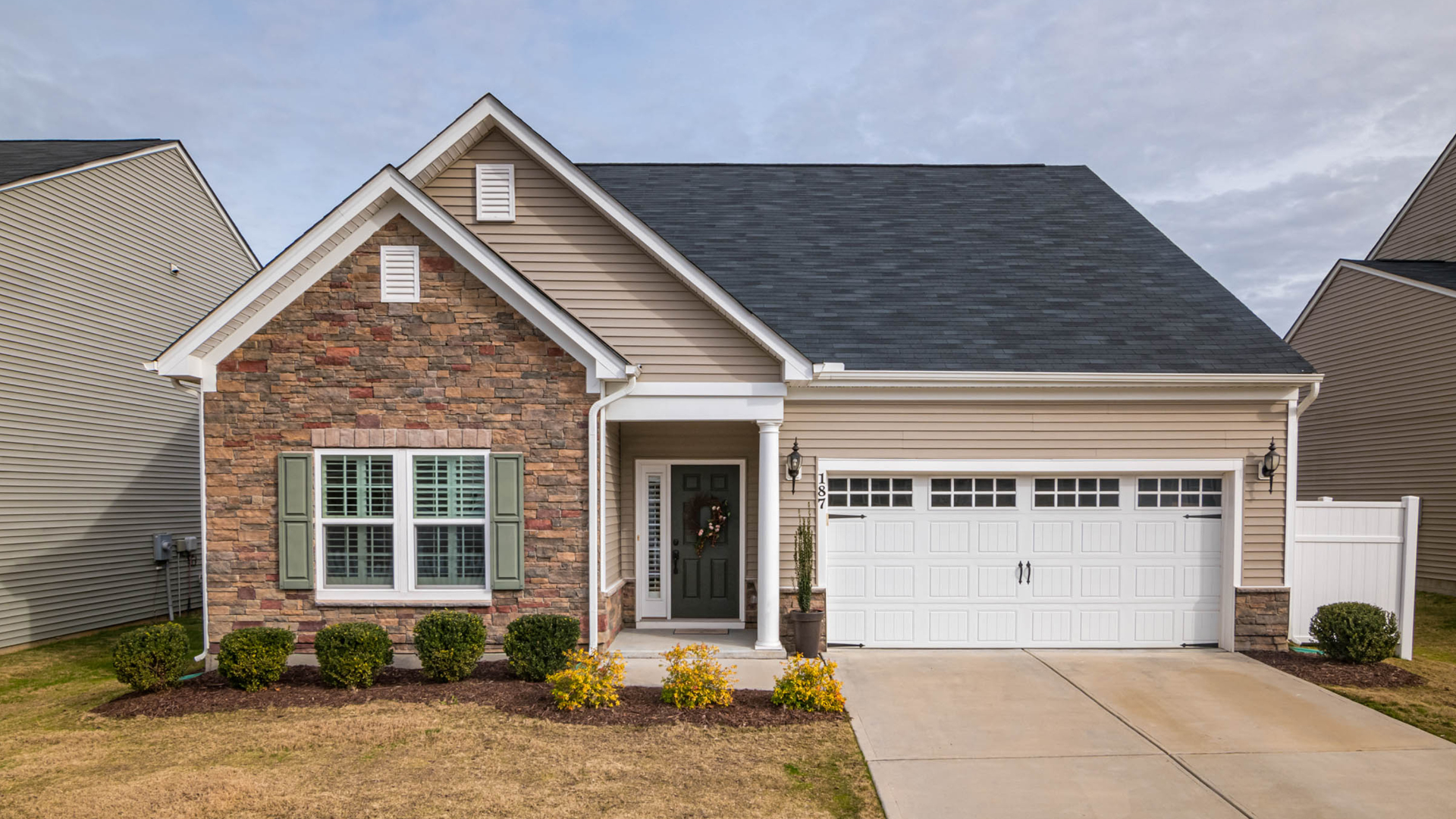
Summary: Thinking about selling your California home without paying the full 5.26% commission? Before you jump into a flat fee MLS listing, there are specific photo requirements, disclosure rules, and hidden costs that could derail your plans—here’s what California brokers wish sellers knew upfront.
Key Takeaways
California flat fee MLS services save sellers an average of $11,784 compared to traditional commission structures on the state’s $441,000 median home price
MLSSAZ requires specific photo standards including 15MB maximum file size, front exterior photos within 4 days, and strict content restrictions that prohibit people or watermarks
Mandatory seller disclosures include the Seller’s Property Disclosure Statement (SPDS), five-year insurance claims history, and HOA documentation regardless of listing method
Hidden costs in budget flat fee services can inflate advertised $299 prices to over $800 through photography add-ons, extension fees, and transaction coordination charges
Post-NAR settlement, sellers can still offer buyer agent compensation but must negotiate these terms outside the MLS to attract agent-represented buyers
California Flat Fee MLS Saves $11,784 on $441K Median Homes
California’s flat fee MLS market delivers substantial savings for home sellers willing to handle portions of their transaction independently. Traditional real estate commissions in California average 5.26% of the sale price, with listing agents earning 2.66% and buyer’s agents receiving 2.60%. On the state’s median home price of $441,000, this translates to $23,187 in total commission costs.
Flat fee MLS services operate through licensed California real estate brokers who list properties for predetermined fees ranging from $299 to $599, rather than percentage-based commissions. These services provide access to regional MLS systems including ARMLS (Phoenix), MLSSAZ (Tucson), PAARMLS (Prescott), and NAAR (Flagstaff), ensuring syndication to major consumer portals like Zillow, Realtor.com, and Redfin.
The savings calculation becomes compelling when comparing scenarios. Traditional full service costs $23,187, while flat fee MLS plus buyer agent compensation totals approximately $11,649 to $11,949 ($299-$599 flat fee plus $11,350 buyer commission).Congress Realty’s $299 flat fee MLS service exemplifies this cost-effective approach, providing MLS exposure without traditional listing commission structures.
California MLS Photo and Technical Standards You Must Meet
California MLS systems enforce strict technical and content standards for listing photos to ensure consistent quality across all platforms. Understanding these requirements prevents listing delays and rejection notices that can cost valuable market time.
1. File Size and Format Requirements
MLSSAZ specifications require large photos not exceed 3000×2000 pixels or 2000×3000 pixels, with maximum saved photo size of 15MB and a limit of 50 photos per listing. ARMLS accepts multiple file formats including JPG, JPEG, GIF, PNG, TIF, TIFF, BMP, PGM, PBM, and PPM, though conversion to JPG may occur during processing. The minimum resolution should be 1024×768 pixels, though 2048×1536 is recommended for optimal display quality.
Technical specifications also require 4:3 or 3:2 aspect ratio in landscape orientation, sRGB color profile for optimal web display, and file sizes between 100KB and 3MB per photo. Images exceeding maximum resolution limits are automatically scaled down during the upload process.
2. Prohibited Content That Triggers Listing Rejection
MLS systems strictly prohibit specific content that results in immediate listing rejection or compliance penalties. MLSSAZ requires people to be cropped out of all photos before uploading, while ARMLS allows people in the background of photos. Both systems prohibit family members, pets not present at the property, or any individuals prominently featured in images.
Additional prohibited content includes URL links, borders, banners, graphics, or writing overlaid on photos; logos or contact information including for-sale signs; watermarks from other MLSs or photographers; personal items, family photos, or sensitive documents visible in shots; and poor quality images that appear blurry, overexposed, or underexposed.
3. Front Exterior Photo Required Within 4 Days
ARMLS requires at least one front exterior photo for all residential and residential rental listings (Property Classes 1 & 2) within four days of the listing going Active. This primary photo becomes the main image displayed across all syndicated platforms and significantly impacts first impressions with potential buyers.
Photos may only depict physical traits of the property for sale, existing structures, vicinity or location, or neighborhood amenities. Enhanced photo editing including saturation adjustments and brightness modifications is permitted, but the images must accurately represent the property’s current condition.
California Seller Disclosure Requirements (Even for Flat Fee)
California law mandates seller disclosures regardless of whether sellers use traditional agents or flat fee MLS services. These requirements protect buyers and sellers from potential legal complications during transactions.
1. Seller’s Property Disclosure Statement (SPDS)
The California Residential Seller’s Property Disclosure Statement must be completed and provided to buyers before entering into any purchase contract. Under the California Residential Resale Purchase Contract, sellers have three days after contract acceptance to deliver the completed SPDS to buyers.
The SPDS covers property ownership history, HOA status and fees, building and safety information, utilities and mechanical systems, environmental and hazardous materials, flood risks and drainage issues, and any other material conditions affecting property value or desirability. Incomplete or inaccurate disclosures can result in contract cancellation or legal liability.
2. Five-Year Insurance Claims History
Sellers must deliver a five-year insurance claims history report to buyers within five days of contract acceptance. For properties owned less than five years, the report covers the entire ownership period. This document, obtained directly from the homeowner’s insurance company, lists any claims filed for the property including damage types, claim amounts, and resolution details.
Insurance claims history helps buyers assess potential property risks and may influence their decision to proceed with the purchase or negotiate repairs. Common claims include roof damage, water damage, theft, and weather-related incidents that could indicate ongoing property maintenance issues.
3. HOA Documentation Requirements
Properties located within homeowners associations require HOA disclosures including CC&Rs (Covenants, Conditions, and Restrictions), bylaws, rules and regulations, recent financial statements, and current statement of fees and assessments. California Revised Statute § 33-1806 requires HOAs to provide requested documents to buyers within 10 business days of the request.
Additional HOA-related disclosures may include pending litigation, special assessments, reserve fund status, and any known violations or disputes. Buyers typically have specific time periods to review HOA documentation and cancel contracts if terms prove unacceptable.
Hidden Costs That Turn $299 into $800+
Budget flat fee MLS packages often exclude features that sellers later find necessary for effective marketing, resulting in expensive add-on purchases that can double or triple advertised prices.
1. Professional Photography Add-Ons
Professional photography represents the most significant potential add-on cost, ranging from $100 to $500 depending on service quality and package inclusions. Properties with professional photos receive 61% more online views and sell 32% faster than those with amateur photography, making this investment valuable for market success.
Photography upgrades typically include 20-40 high-resolution images, virtual tours or 3D scans ($150-$400), twilight or drone photography ($200-$300), and enhanced editing services. Some services charge separately for each room photographed, while others offer flat-rate packages covering entire properties.
2. Extension and Relisting Fees
Most flat fee services provide initial listing terms of 3-6 months. Properties not selling within this timeframe require extensions or relisting, generating additional fees that sellers often don’t anticipate when comparing services.
Typical extension costs include $50-$100 for basic tier 3-6 month extensions, $100-$199 relisting fees for new listings after expiration, and varying charges for unlimited listing changes or price modifications. Premier tier packages often include free extensions up to 12 months total, providing better value for properties in slower markets.
3. Transaction Coordination Charges
Some flat fee services charge additional “compliance fees” or “closing success fees” ranging from 0.25% to 1.25% of the final sale price. These percentage-based charges can add $1,000 to $5,500 on typical California homes, effectively converting flat fee structures back to commission-based pricing.
Transaction coordination add-ons may include contract review ($200-$500), broker negotiation support ($500-$1,500), document preparation and compliance oversight, status changes and closing coordination, and legal forms and disclosure assistance. Sellers should clarify whether these services are included in upfront fees or charged separately at closing.
Post-NAR Settlement: Should You Pay Buyer Agent Commissions?
The August 2024 NAR settlement fundamentally changed how buyer agent compensation is communicated and negotiated, creating new strategic considerations for flat fee MLS sellers.
Approximately 90% of buyers work with real estate agents, making agent-represented buyers the dominant market segment. Offering buyer agent compensation of 2.5-3% attracts this large buyer pool and increases showing activity, competitive offers, and negotiation opportunities.
Properties offering buyer compensation align with market norms and buyer expectations, avoiding competitive disadvantages compared to traditionally-listed properties. Agent-represented buyers often have pre-approved financing, professional guidance through the transaction process, and experience with real estate contracts and negotiations.
Skipping Commissions Limits Your Buyer Pool
Sellers choosing not to offer buyer agent compensation maximize cost savings by paying only the flat fee MLS cost ($299-$599 total). This approach increasingly appeals to sellers as post-NAR settlement rules require buyers to sign agreements acknowledging responsibility for their agent’s compensation.
However, eliminating buyer agent compensation significantly reduces the potential buyer pool by excluding agent-represented buyers unwilling or unable to pay their agent’s fees. This limitation may result in longer market times, lower sale prices, or both, potentially negating the commission savings through reduced proceeds or carrying costs.
Congress Realty’s $299 Flat Fee MLS Delivers California Market Access
Congress Realty has established itself as a reliable flat fee MLS provider in California’s competitive market, offering transparent pricing and services without the hidden costs that plague many budget alternatives. Their $299 basic package includes MLS listing and syndication to major consumer platforms, up to 6 property photos, 5 listing changes during the term, all required state forms and disclosures, and showing management tools.
The service maintains a 4.8-star rating across 125+ Google reviews, demonstrating consistent customer satisfaction and service delivery. Their client portal provides document access and listing updates, while electronic lockboxes and automated showing scheduling streamline the sales process for busy sellers.
Congress Realty’s approach focuses on providing core MLS functionality at accessible prices rather than overwhelming sellers with expensive add-ons or complex fee structures. Their 6-month listing terms align with typical market cycles, while their full-service upgrade option accommodates sellers needing additional broker assistance for complex transactions.
Summary: That $99 flat fee MLS listing in California? You might actually owe thousands more at closing. An California broker exposes the “success fees” and “compliance fees” that turn advertised flat rates into percentage-based charges—and reveals which companies are hiding them in the fine print.
Key Takeaways
Many California Flat Fee MLS services advertise low upfront fees but add hidden percentage-based closing costs ranging from 0.25% to 1.25%
These “success fees” and “compliance fees” can cost thousands on higher-priced homes, defeating the purpose of flat fee pricing
Companies like Houzeo charge 0.5% at closing while ListWithFreedom adds 0.25%-0.5% in fees that may not be prominently disclosed in initial marketing materials
True transparent options exist, including Brokerless.com with verified no-percentage pricing, and some local brokers within networks like Flat Fee Group who offer upfront-only pricing
Red flags include vague contract language, extremely low advertised prices, and required use of affiliated title services
California home sellers considering Flat Fee MLS services often find the advertised pricing doesn’t tell the complete story. What appears to be a straightforward flat fee frequently comes with additional percentage-based charges due at closing, transforming a seemingly affordable service into an unexpectedly expensive proposition.
California Flat Fee MLS Often Charges Undisclosed Closing Fees
The Flat Fee MLS industry in California has developed a concerning pattern of advertising low upfront costs while burying additional percentage-based fees in contract terms. These hidden charges surface at closing, catching sellers off guard when they’re already committed to the transaction.Congress Realty has observed this trend and emphasizes the importance of understanding total costs before selecting a service provider.
The practice undermines the core appeal of flat fee services – predictable, upfront pricing that saves sellers money compared to traditional real estate commissions. When percentage-based closing fees are added, the total cost can exceed what sellers initially budgeted, especially on higher-value properties.
Industry experts note that premium flat fee MLS plans frequently utilize hybrid pricing models, combining non-refundable upfront fees with additional flat or percentage-based charges due at closing. This structure allows companies to advertise attractively low initial prices while generating significant revenue through backend fees.
How Hidden Percentage Fees Work
1. ‘Success Fees’ and ‘Compliance Fees’ Explained
California Flat Fee MLS companies often disguise percentage-based closing charges using terminology like “success fees,” “compliance fees,” or “transaction fees.” These euphemisms make the additional costs seem like standard administrative charges rather than percentage-based commissions. Success fees are particularly misleading because they’re presented as optional bonuses for successful sales, when they’re actually mandatory charges built into the service agreement.
Compliance fees suggest regulatory requirements, but they’re typically just another revenue stream for the MLS provider. These fees aren’t mandated by California real estate law or MLS regulations – they’re simply business decisions dressed up in official-sounding language to reduce seller resistance.
2. Common Percentage Ranges (0.25%-1.25%)
The percentage-based closing fees in California typically range from 0.25% to 1.25% of the home’s sale price. On a $400,000 home, this translates to $1,000 to $5,000 in additional costs beyond the advertised flat fee. Companies position these percentages as “small” compared to traditional real estate commissions, but they can significantly impact the seller’s net proceeds.
Mid-range services commonly charge 0.5% to 0.75%, while premium packages with additional services may reach 1.25%. Even the “low” end of 0.25% represents substantial money on typical California home values, especially in markets like Austin, Dallas, and Houston where median home prices exceed $300,000.
3. Real Cost Impact on Higher-Priced Homes
The financial impact of percentage-based closing fees becomes particularly pronounced on higher-priced properties. A 0.5% closing fee on a $600,000 home adds $3,000 to the total cost – money that could otherwise stay in the seller’s pocket. When combined with the upfront flat fee, the total cost can approach or exceed $4,000, significantly reducing the savings compared to traditional listing arrangements.
Luxury home sellers face the greatest risk, as a 1% closing fee on a $800,000 property costs $8,000 plus the original flat fee. These substantial amounts can influence negotiating power and final net proceeds, making thorough cost analysis necessary before committing to any flat fee service.
Which California Companies Charge Closing Percentages
Houzeo: 0.5% at Closing
Houzeo operates with percentage-based closing fees, with some plans including 0.5% of the sale price at closing. Their tech-centric platform typically charges an upfront fee (e.g., starting around $249), then adds the percentage fee at closing. While Houzeo doesn’t hide these costs, sellers must calculate the total expense based on their expected sale price to understand the true cost of their services.
The company may position these closing fees as “success fees,” emphasizing that sellers only pay if their home sells. However, this framing can be misleading since most legitimate flat fee services don’t charge additional percentages regardless of sale success.
ListWithFreedom: 0.25%-0.5% Fees
ListWithFreedom advertises extremely low headline pricing starting at $89, but typically adds 0.25% to 0.5% at closing. While these percentage-based fees are listed on their pricing page, they may not be prominently disclosed in initial marketing materials, leading sellers to discover the additional costs after reviewing detailed contract terms. On a $400,000 home sale, the 0.5% closing fee adds $2,000 to the advertised $89 cost.
The company’s low upfront pricing strategy attracts cost-conscious sellers, but the closing percentages can result in higher total costs than competitors with higher upfront fees but no closing percentages.
True No-Closing-Fee Options in California
Brokerless.com: Verified No Percentage
Brokerless.com offers genuine flat fee pricing starting around $99 upfront with no additional closing fees or percentages. The service provides broad coverage across major California MLSs including NTREIS, ACTRIS, HAR, and SABOR. Their transparent pricing model means sellers pay only the advertised upfront fee, making budget planning straightforward and predictable.
The company’s no-surprise pricing approach appeals to sellers who want to avoid backend fee complications and prefer knowing their exact MLS costs from the beginning of the listing process.
Flat Fee Group: Upfront Only Pricing
Flat Fee Group operates through a network of local brokers, with their California operations represented by Listing Results advertising “No hidden fees at closing.” Pricing typically ranges from $499 to $1,399 in California with upfront-only pricing structures. Their model provides sellers with named local brokers rather than purely online platforms, while maintaining transparent upfront-only pricing structures in California markets.
This approach combines the cost predictability of true flat fee pricing with more personalized service from local real estate professionals who understand specific California market conditions.
Red Flags When Choosing Flat Fee MLS
1. Vague Contract Language About ‘Additional Fees’
Contract language that mentions “additional fees may apply,” “transaction-based charges,” or “success fees” without specific dollar amounts represents a major red flag. Legitimate flat fee services clearly state all costs upfront. Vague language allows companies to introduce unexpected charges later in the process when sellers have limited alternatives.
Sellers should insist on seeing complete fee schedules before signing any agreements, including exact percentage rates or dollar amounts for any closing-related charges. If a company can’t provide clear, specific cost information upfront, it’s wise to look elsewhere.
2. Extremely Low Advertised Prices ($89-$99)
Advertised prices under $100 often indicate loss-leader pricing designed to attract attention while the company recovers costs through backend fees or service limitations. Companies with genuinely full-service offerings at these price points are rare, as the business economics don’t support quality service delivery at such low rates.
Sellers should be particularly cautious of services advertising $89-$99 pricing, as these often come with expensive add-ons, limited features, or hidden closing costs that can amount to hundreds or thousands more than the advertised rate.
3. Required Use of Affiliated Title Services
Some Flat Fee MLS services generate revenue by requiring sellers to use affiliated title or closing companies, often at above-market rates. This requirement may not be immediately apparent but represents a significant hidden cost that can exceed the savings from flat fee MLS pricing.
Sellers should maintain the right to choose their own title company and closing services. Any requirement to use specific affiliated services should be considered a red flag indicating potential hidden cost structures.
Congress Realty Offers Transparent Upfront Pricing
Congress Realty addresses these industry concerns by providing completely transparent pricing with no hidden percentage-based closing fees. Their flat fee structure means sellers know exactly what they’ll pay regardless of their home’s final sale price. The company’s approach eliminates the surprise costs that plague many California flat fee MLS services.
By focusing on upfront transparency, Congress Realty allows sellers to accurately budget their listing costs and compare services based on true total expenses rather than misleading advertised rates. This approach builds trust and ensures sellers can make informed decisions about their real estate marketing strategy.
For California home sellers seeking transparent flat fee MLS services without hidden closing costs,Congress Realty provides upfront pricing clarity and MLS exposure throughout the state.
Image sourced from canva
Summary: Alaska home sellers often assume that once a property is listed on the MLS, it is automatically visible to buyers statewide. In reality, Alaska operates multiple regional MLS systems, and recent data-sharing integrations between them directly affect how far a listing actually reaches. Understanding how these MLS connections work can help sellers avoid visibility gaps, attract more qualified buyers, and protect their final sale price.
Key Takeaways
Alaska uses multiple regional MLS systems, not a single statewide database
New MLS data-sharing agreements expand listing visibility beyond local markets
Sellers listed in the wrong MLS may miss buyers in nearby regions
Data sharing improves exposure for relocation, second-home, and investment buyers
Flat fee MLS services help sellers benefit from regional MLS coverage without full commissions
Alaska’s MLS System Is Regional, Not Statewide
Many Alaska homeowners are surprised to learn that the state does not operate under one centralized MLS. Instead, Alaska relies on several regional MLS systems that serve different geographic areas, buyer behaviors, and market dynamics.
Historically, this meant a listing entered into one MLS primarily reached buyers and agents searching within that same region. Sellers near regional boundaries—or selling properties attractive to out-of-area buyers—could unknowingly lose exposure simply because their home was listed in the wrong system.
Recent MLS data-sharing initiatives are changing that reality, but only for sellers who understand how the system works.
How Regional MLS Data Sharing Works
In November 2025, several Alaska regional MLS systems launched a multi-MLS data-sharing agreement. This integration allows listings entered in one participating MLS to become searchable across other connected systems.
For home sellers, this means:
A single MLS listing can now reach buyers searching in multiple regions
Relocation buyers can see homes outside their immediate market
Vacation and second-home properties gain stronger visibility
Sellers are no longer limited to a single buyer pool
This integration does not require sellers to list in multiple MLS systems. Instead, properly placed listings gain expanded exposure automatically through shared databases.
Why Data Sharing Matters for Seller Visibility
Buyers do not manually browse every MLS. They search through platforms powered by MLS data, and those platforms reflect how MLS systems are connected behind the scenes.
When MLS data is shared:
Listings appear in more buyer searches
Properties gain visibility across regional boundaries
Buyer demand increases without price changes
Sellers benefit from stronger early momentum
Without data sharing—or without proper MLS placement—listings can remain effectively invisible to buyers who would otherwise be interested.
Regional Buyer Pools Are Real—and Valuable
Alaska’s housing market is highly regional, but buyer demand is not always local.
Examples include:
Tucson buyers seeking cooler climates in Flagstaff or Prescott
Phoenix homeowners shopping for White Mountains vacation cabins
Retirees relocating between regions for healthcare, climate, or lifestyle
Investors comparing opportunities across multiple Alaska markets
Data sharing allows listings to surface in these cross-regional searches, capturing buyer interest that traditional single-MLS listings often miss.
How Data Sharing Helps Sellers Avoid the “Wrong MLS” Problem
One of the most common seller mistakes is listing in an MLS that does not align with how buyers search.
Before MLS integrations, this meant:
Fewer showings
Slower buyer response
Pressure to reduce price unnecessarily
With data sharing in place, sellers who list correctly can now benefit from expanded reach without needing multiple listings or paying additional fees.
The key is ensuring the listing is entered through a service that understands Alaska’s regional MLS structure and how data flows between systems.
MLS Data Sharing and Pricing Confidence
Pricing decisions depend on buyer response. When listings receive early interest, sellers gain confidence that their price aligns with market expectations.
Expanded MLS visibility helps:
Increase early showing activity
Generate stronger feedback signals
Reduce guesswork around pricing
Prevent premature price reductions
Homes that appear inactive due to limited visibility often suffer price drops that were never necessary. Data sharing helps ensure pricing decisions are based on real demand—not exposure limitations.
Why Flat Fee MLS Services Matter More Than Ever
Flat fee MLS services allow homeowners to access professional MLS placement while retaining control and avoiding full listing commissions.
When paired with regional MLS data sharing:
Sellers gain broad exposure without paying percentage fees
Listings reach multiple buyer pools automatically
FSBO sellers remain competitive with agent-listed homes
Visibility is driven by strategy, not commission size
This approach works best when sellers use a service that understands Alaska’s MLS landscape and places listings correctly from day one.
How Congress Realty Helps Sellers Benefit from MLS Data Sharing
Congress Realty operates within Alaska’s evolving MLS ecosystem to help sellers take advantage of regional data sharing without complexity.
Sellers receive:
Correct MLS placement based on property location and buyer demand
Exposure across connected MLS systems through data sharing
Syndication to major buyer platforms
Access to compliant contracts and disclosures
By handling the technical side of MLS access, Congress Realty allows sellers to focus on preparation, pricing, and negotiation—without worrying about hidden visibility gaps.
Visibility Is Strategy, Not Luck
In Alaska, home sale success depends on more than listing a property. It depends on where and how that listing enters the MLS network.
Regional MLS data sharing has expanded seller opportunity, but only for those who understand it. When listings are placed correctly, sellers reach more buyers, maintain momentum, and protect their equity.
With the right MLS strategy, Alaska home sellers can stay visible, competitive, and in control—without paying full commission.
Summary: That $149 flat fee MLS listing could actually cost you $15,000-$20,000 once you add the “optional” upgrades most Arizona sellers discover they need. Here’s what those budget packages don’t tell you upfront—and why FSBO homes sell for $55,000 less on average.
Key Takeaways:
Flat fee MLS services in Arizona advertise low prices but often require expensive upgrades like professional photography ($100-$500), yard signs ($50-$150), and lockbox rentals, significantly increasing total costs
Despite attempting to avoid commissions, 75% of FSBO sellers still pay buyer agent commissions of 2.5-3% to attract represented buyers after the NAR settlement changes
FSBO homes statistically sell for $55,000 less than agent-assisted sales, a price gap that often exceeds the commission savings from flat fee services
Many flat fee providers charge hidden transaction coordination fees at closing and listing renewal costs after 3-6 months
For Sale By Owner sellers in Arizona face an attractive promise from flat fee MLS companies: get full MLS exposure for a fraction of traditional agent costs. Yet beneath the marketing headlines of “$149 MLS listings” lies a complex web of upgrade fees, hidden charges, and unexpected costs that can transform budget-friendly packages into expensive propositions.
Budget Flat Fee Plans Force Expensive Upgrades
The advertised rates from flat fee MLS services represent bare-bones packages that exclude essential selling tools. Budget plans typically offer basic MLS listing with 5-25 photos, but exclude crucial features like seller contact information, professional photography, yard signs, lockboxes, and showing coordination tools. These “extras” aren’t optional luxuries—they’re necessary components for successful home sales that force sellers into expensive upgrade packages.
Most FSBO sellers discover these limitations only after signing up for budget packages. The $149 entry fee quickly escalates when sellers realize they need professional photos to compete with agent listings, yard signs for neighborhood visibility, and lockboxes for showing access.Congress Realty states it has observed this pattern consistently across Arizona markets, where sellers initially attracted to low flat fees end up paying significantly more for necessary services.
Common Hidden Costs Arizona FSBO Sellers Face
Arizona flat fee MLS providers structure their pricing to maximize upgrade revenue through seemingly essential add-ons. Understanding these common charges helps sellers calculate true costs before committing to any service.
1. Professional Photography Fees ($100-$500)
Professional photography represents the most common and expensive upgrade required by FSBO sellers. Budget packages typically exclude photography or limit sellers to amateur smartphone shots. Professional photos dramatically impact buyer engagement, with photographed properties receiving 61% more online views and selling 32% faster than amateur photos. Most sellers reluctantly pay $100-$500 for professional photography after discovering their amateur photos generate minimal interest.
2. Yard Signs and Lockbox Rentals ($50-$150)
Yard signs and lockboxes seem basic, but most budget flat fee packages exclude these fundamental selling tools. Yard signs cost $50-$100 including installation, while lockbox rentals add another $50-$100 to monthly fees. Without lockboxes, sellers must personally coordinate every showing, severely limiting buyer access and reducing sale probability. These “upgrades” quickly add $100-$200 to advertised flat fees.
3. Transaction Coordination Fees at Closing
Many flat fee services advertise upfront costs but charge additional “transaction coordination fees” or “broker compliance review fees” at closing. These fees can range from flat amounts of $200-$800 to percentage-based charges of 0.25-1% of the sale price, which on a median Arizona home could amount to $1,000-$4,000. Sellers often discover these charges only during final closing statements, creating unwelcome surprises when they expected to pay only the initial flat fee.
4. Listing Renewal Costs After 3-6 Months
Flat fee MLS listings typically expire after 3-6 months, requiring renewal fees to maintain MLS presence. Properties not selling within initial timeframes face renewal costs to continue marketing. Sellers in slower markets or those who overprice properties often pay multiple renewal fees, doubling or tripling their intended flat fee investment.
Why Most FSBO Sellers Still Pay Buyer Agent Commissions
The biggest “hidden cost” facing Arizona FSBO sellers involves buyer agent commissions, which 75% of sellers still pay despite attempting to avoid all commission expenses.
The August 2024 National Association of REALTORS settlement eliminated requirements for sellers to offer buyer agent compensation through MLS systems. Previously, MLS listings typically included buyer agent commission offers of 2.5-3%, making properties attractive to agents representing buyers. The settlement shifted compensation responsibility to buyers or separate negotiations between parties.
75% of FSBO Sellers Offer 2.5-3% to Attract Represented Buyers
Despite the regulatory change, approximately 90% of buyers still work with agents who search MLS databases exclusively for suitable properties. FSBO properties offering zero buyer agent compensation often receive fewer showings from represented buyers, reducing exposure to the dominant buyer segment. To maintain competitive positioning, 75% of FSBO sellers continue offering 2.5-3% buyer agent commissions, adding $8,000-$12,000 to their costs on median-priced Arizona homes.
Arizona Flat Fee MLS Provider Cost Breakdown
Examining specific provider pricing reveals how upgrade structures impact total costs for Arizona sellers.
Houzeo Arizona: Basic vs Premium Package Costs
Houzeo markets itself as Arizona’s leading FSBO platform, offering their Gold package at $299 plus 1% at closing, which includes licensed broker assistance and access to Arizona seller disclosures. However, this package often requires additional purchases for services like professional photography ($200-$300 upgrade), premium marketing campaigns, and enhanced broker support, which are either offered as upgrades or included in their more expensive packages. Sellers requiring these features face total costs significantly exceeding $1,500, potentially reaching several thousands of dollars when including the 1% closing fee.
DIYFlatFee.com: Hybrid Fee Structure Analysis
DIYFlatFee.com operates a unique hybrid model combining upfront fees with closing success fees. Their “Full-Service MLS” package costs $299 upfront plus 1% at closing (refunded at sale completion). While this structure spreads costs across the transaction timeline, sellers face additional financial obligations beyond advertised rates. The 1% closing fee adds $4,000-$5,000 on median Arizona home prices, substantially increasing total service costs.
Total Cost Reality Check
When including necessary upgrades, buyer agent commissions, and hidden fees, FSBO sellers often pay $15,000-$20,000 in total costs compared to $1,000-$2,000 in advertised flat fees. Professional photography, yard signs, lockboxes, transaction coordination, and buyer agent commissions accumulate quickly, approaching traditional agent commission levels while maintaining seller responsibility for legal compliance, marketing execution, and transaction management.
The $55,000 Price Gap FSBO Sellers Don’t Expect
National Association of REALTORS data reveals FSBO homes sold for a median $310,000 in 2022 compared to $405,000 for agent-assisted sales, representing a $95,000 difference. Arizona-specific data shows similar patterns, with FSBO properties averaging $380,000 versus $435,000 for agent-assisted sales—a $55,000 gap that dramatically exceeds potential commission savings.
This price differential stems from several factors affecting FSBO performance. Seventeen percent of FSBO sellers identify pricing as their most difficult challenge, often resulting in overpricing that extends time on market or underpricing that sacrifices equity. Additionally, studies show that 43% of FSBO sellers admit to making legal mistakes during transactions, potentially exposing them to liability or deal failures that further impact final proceeds.
Congress Realty Offers Transparent Alternative to Hidden Fee Structures
Recognizing the challenges facing Arizona FSBO sellers, experienced brokerages provide transparent alternatives to complex flat fee structures. Rather than layering upgrade fees and hidden charges, full-service options offer clear pricing that includes professional photography, marketing campaigns, MLS placement, negotiation expertise, and legal compliance oversight.
The apparent savings from flat fee services often evaporate when accounting for necessary upgrades, buyer agent commissions, transaction coordination fees, and the statistical price differential between FSBO and professionally marketed properties. Sellers benefit from transparent pricing structures that eliminate surprise costs while providing professional expertise to maximize sale prices and minimize legal risks.
Professional agents also provide valuable market analysis and pricing guidance that helps sellers avoid the common mistakes contributing to lower FSBO sale prices. With access to market data, negotiation experience, and established buyer networks, full-service representation often generates higher net proceeds despite commission costs.
Summary: Many Arizona homeowners don’t realize that disclosure problems can quietly sabotage an otherwise strong home sale. When buyers cannot easily see required disclosure documents, trust erodes, negotiations stall, and legal risk increases. For sellers choosing to sell without an agent, ensuring buyers have clear access to disclosures is one of the most important steps in protecting both the sale and yourself after closing.
Key Takeaways
Arizona sellers must disclose all known material facts, even when selling without an agent
Buyers expect to review disclosures early, and missing documents raise red flags
Hidden or delayed disclosures can slow showings, weaken offers, or cause cancellations
Making disclosures accessible supports transparency and pricing confidence
Flat fee MLS listings help sellers share disclosures correctly without full commissions
Why Disclosure Visibility Matters More Than Sellers Expect
When buyers search for homes, they are not just looking at photos and prices. They are evaluating risk. Disclosure documents help buyers understand the true condition of a property and decide whether they feel comfortable moving forward.
If disclosures are missing or delayed, buyers often assume there is something wrong—even when there isn’t. This hesitation can reduce showings, weaken offers, or push buyers toward competing listings. Congress Realty helps sellers avoid these issues by ensuring disclosures are handled clearly and correctly from the start.
Arizona Disclosure Rules Apply Even When Selling Without an Agent
Arizona law requires sellers to disclose known material facts about their property, regardless of whether they are using a traditional agent. Selling “as-is” does not remove this responsibility.
This requirement comes from Arizona court decisions that make it clear: if you know something that could affect a buyer’s decision or the value of the home, it must be disclosed. Flat fee MLS sellers must follow the same disclosure rules as any other seller, which is why understanding visibility and timing is essential.
The Seller’s Property Disclosure Statement (SPDS) Explained
The Seller’s Property Disclosure Statement (SPDS) is the primary disclosure document used in Arizona home sales. It provides buyers with a detailed overview of the property’s condition and history.
Ownership and Property Information
This section covers ownership details, homeowner association information, special assessments, and legal issues tied to the property. Buyers often review this first to understand ongoing costs or restrictions.
Structural and Safety Conditions
Here, sellers disclose information about the roof, foundation, walls, windows, doors, and safety systems. Known leaks, repairs, or structural concerns should be clearly explained.
Utilities and Environmental Factors
Utility providers, drainage issues, soil concerns, noise sources, and environmental hazards are addressed in this section. These factors can influence both buyer interest and pricing.
Federal and State Disclosures
Certain disclosures are required by law, such as lead-based paint disclosures for homes built before 1978. These must be provided correctly to avoid legal risk.
Sewer and Wastewater Systems
Buyers need clarity on whether a property uses municipal sewer, septic, or alternative systems. Past repairs or known issues must be disclosed.
Other Material Facts
This final section captures anything not covered elsewhere, including past damage, insurance claims, zoning issues, or neighborhood developments. When unsure, disclosure is always safer than omission.
Why Buyers Expect Disclosures Early in the Process
Today’s buyers are cautious and informed. Many will not schedule showings or submit offers without first reviewing disclosures. Missing documents can signal poor preparation or hidden problems.
When disclosures are accessible early, buyers gain confidence. Confident buyers make stronger offers, negotiate less aggressively, and move faster toward closing. This is especially important for FSBO sellers who want to maintain control and momentum.
Common Disclosure Mistakes That Hurt Home Sales
One of the most common mistakes sellers make is delaying disclosures until after an offer is submitted. Another is providing disclosures only after buyers request them.
Both approaches slow down the transaction. Buyers may pause, reconsider, or walk away entirely. Congress Realty helps sellers avoid these missteps by supporting proper disclosure timing through flat fee MLS listings.
How Disclosure Visibility Protects Sellers After Closing
Disclosure responsibilities don’t end at closing. If a buyer later discovers a known issue that was not disclosed, sellers can face legal claims months or even years later.
Providing complete and visible disclosures demonstrates good faith. It shows that you acted honestly and transparently, which is one of the strongest defenses against post-closing disputes.
Selling Without an Agent Doesn’t Mean Selling Without Structure
Many homeowners worry that selling without an agent means navigating complex rules alone. In reality, flat fee MLS services provide the structure sellers need while preserving control.
Congress Realty helps homeowners list on the MLS, syndicate to major buyer platforms, and manage disclosures correctly without paying full commissions. This allows sellers to focus on preparing their home and negotiating confidently.
How Congress Realty Helps Arizona Sellers Stay Compliant
Congress Realty supports Arizona homeowners by ensuring listings are placed correctly on the MLS and disclosures are handled properly. Sellers receive guidance on what documents are required, when to provide them, and how visibility impacts buyer trust.
Instead of guessing or reacting to buyer concerns, sellers can move forward with confidence knowing their listing meets buyer expectations and legal requirements.
Transparency Builds Confidence and Faster Results
Successful home sales are built on trust. Buyers who feel informed are more likely to act decisively. Sellers who provide clear disclosures reduce friction and protect themselves from future problems.
When selling without an agent in Arizona, making sure buyers can see your disclosures is not just a technical step, it’s a strategic advantage. With support from Congress Realty, homeowners can sell confidently, stay compliant, and keep control of their sale from start to finish.
Summary: That $99 Arizona flat-fee MLS listing could actually cost you $2,000 once “compliance fees” and hidden charges kick in at closing. One seemingly minor percentage-based fee on Arizona’s median home price adds nearly $5,000 to your bill—but most sellers don’t discover this until it’s too late.
Key Takeaways
Arizona flat-fee MLS services often hide significant additional costs beyond advertised prices, including compliance fees of 0.25%-1.25% of sale price at closing
Budget providers may charge extra for essential services like listing modifications ($25-$75), cancellation fees ($50-$100), and even yard signs
NAR settlement changes prohibit buyer agent commission offers from appearing in MLS listings, shifting negotiation dynamics for sellers
Mid-range providers typically offer better transparency and value than ultra-low price options that stack hidden fees
Smart sellers can save thousands by choosing providers with upfront, all-inclusive pricing structures
Arizona home sellers considering flat-fee MLS options often discover a harsh reality: the advertised “low” price represents just the beginning of their actual costs. While these services promise MLS exposure without traditional agent commissions, many providers employ pricing structures designed to extract additional revenue through less obvious charges that can add hundreds or thousands to the final bill.
Arizona Flat-Fee MLS Hidden Charges Can Add Hundreds or Thousands
The flat-fee MLS industry in Arizona operates on a model that attracts sellers with ultra-low upfront costs, then generates profit through additional fees applied during the listing period and at closing. Research across multiple providers reveals a consistent pattern: advertised prices of $99-$299 frequently balloon to $500-$2,000 or more once all charges are included.
This pricing strategy particularly impacts sellers who assume the advertised flat fee covers all necessary services. Instead, these providers often treat the initial payment as a “membership fee” while charging separately for activities most sellers consider standard listing services.Congress Realty’s transparent flat-fee packages demonstrate how honest pricing should work, with clear upfront costs and no surprise charges at closing.
The financial impact becomes substantial on Arizona’s median home price of $384,300. A seemingly minor 0.5% “compliance fee” adds $1,921.50 to closing costs, while a 1.25% fee totals $4,803.75 – potentially eliminating most commission savings sellers expected to achieve.
The Most Common Hidden Fees You’ll Pay
1. Compliance and Success Fees at Closing
Compliance fees represent the most expensive hidden charge in Arizona’s flat-fee MLS market. Providers typically frame these as necessary costs to “remain compliant with real estate regulations” or cover “behind the scenes work” with MLS associations. The reality involves percentage-based fees ranging from 0.25% to 1.25% of the final sale price.
Success fees operate similarly but are marketed as celebration of the seller’s achievement. These charges only apply when properties sell, creating an illusion that providers share risk with sellers. However, the percentage-based structure means providers profit more from higher-priced sales while offering identical services regardless of home value.
2. Listing Modification and Cancellation Charges
Most flat-fee providers charge $25-$75 for each listing modification, treating routine updates as premium services. Price changes, description updates, and photo additions trigger separate fees that accumulate quickly during active marketing periods. Some providers even charge for correcting errors in their initial MLS entries.
Cancellation fees of $50-$100 apply when sellers need to remove listings before expiration. This practice traps sellers in unsatisfactory arrangements and prevents them from switching to better service providers without financial penalty. Quality providers recognize that listing changes and reasonable cancellations represent normal business operations rather than profit opportunities.
3. Marketing Add-Ons That Inflate Costs
Essential marketing tools often carry individual price tags with budget providers. Yard signs are frequently an additional cost or included only in higher-tier packages, open house postings run $25-$50 each, and even basic showing scheduling may trigger monthly charges. These “add-on” services quickly transform a $99 basic package into a $400-$500 commitment.
Professional photography, virtual tours, and social media promotion – services included in quality flat-fee packages – become expensive upgrades with budget providers. Sellers find these marketing elements are necessary for competitive exposure, forcing them to pay additional fees or accept inferior listing presentation.
Real Cost Analysis: Advertised vs. Actual Prices
Ultra-Low Price Providers
Providers advertising $89-$199 flat fees typically employ the most aggressive hidden fee structures. Analysis of actual seller experiences reveals total costs often exceeding $1,000 once compliance fees, modifications, and essential add-ons are included. These companies target price-sensitive sellers but deliver poor value through nickel-and-dime pricing strategies.
Service quality suffers significantly at ultra-low price points. Common problems include incorrect MLS submissions, delayed listing activation, minimal customer support, and even placement on wrong MLS systems that reduce buyer exposure. The cost savings evaporate when sellers must pay additional fees or relist with competent providers.
Mid-Range Service Value and Transparency
Providers charging $299-$499 upfront typically offer better value through transparent, all-inclusive pricing. These companies include essential services like unlimited listing modifications, professional photos, and marketing tools without additional charges. While the initial cost appears higher, total expenses often remain lower than budget providers after hidden fees.
Service quality improves dramatically in the mid-range segment. Sellers receive proper MLS submission, responsive customer support, and professional presentation materials. The investment in legitimate service infrastructure allows these providers to deliver consistent results without relying on surprise charges for profitability.
How NAR Settlement Changes Affect Flat-Fee Sellers
Commission Disclosure Requirements
The August 2024 NAR settlement fundamentally changed how buyer agent compensation appears in Arizona MLS listings. Sellers can no longer advertise commission offers directly through MLS fields, requiring alternative disclosure methods. This change impacts flat-fee sellers who previously used commission offers to attract buyer agents and their clients.
Flat-fee providers must now help sellers navigate off-MLS commission communications and buyer representation agreement requirements. Quality providers have updated their systems and training to handle these new requirements, while budget providers may lack the infrastructure to properly support sellers through the transition.
Buyer Agent Compensation Negotiations
Arizona sellers using flat-fee services now face more complex buyer agent compensation negotiations. Without MLS commission displays, sellers must communicate offers through alternative channels or risk reduced buyer agent participation. This requires more sophisticated marketing and negotiation support from flat-fee providers.
The changes create opportunities for full-service flat-fee providers who can guide sellers through commission negotiations and buyer representation requirements. However, basic flat-fee services leave sellers to handle these complexities independently, potentially reducing their properties’ market appeal.
Red Flags to Avoid When Choosing Providers
1. Percentage-Based Fees Disguised as Flat Fees
Legitimate flat-fee services charge fixed amounts regardless of sale price. Providers using “compliance fees,” “success fees,” or “closing charges” based on sale percentages are not truly flat-fee services. These percentage-based charges can exceed traditional agent commissions on higher-priced properties while offering minimal service.
Sellers should demand complete fee disclosures upfront, including all potential charges that might apply during listing or at closing. Reputable providers willingly provide detailed pricing information, while questionable companies deflect detailed cost discussions or minimize additional fee disclosures.
2. Poor Service Quality and Wrong MLS Listings
Ultra-budget providers sometimes submit listings to incorrect MLS systems or provide inadequate listing information. Properties may appear on secondary platforms with limited buyer agent access rather than primary Arizona MLS systems. This dramatically reduces exposure and sale probability while still consuming the seller’s time and money.
Warning signs include delayed listing activation, poor photo quality, incorrect property information, and unresponsive customer service. These problems indicate inadequate business infrastructure and suggest sellers will face ongoing issues throughout their listing period.
3. Inadequate Support for Required Tasks
Many flat-fee providers offer MLS listing placement but provide minimal support for transaction management, contract review, or closing coordination. Sellers find they need professional assistance for these complex tasks but must pay additional fees or hire separate professionals.
Quality flat-fee services include transaction support or clearly explain which services require separate professional assistance. Providers who promise “everything you need” while offering only basic MLS submission create unrealistic expectations and leave sellers unprepared for transaction complexities.
Successful flat-fee MLS experiences result from careful provider selection based on complete cost transparency, service quality, and appropriate support levels. Sellers who focus solely on advertised prices often end up paying more than those who invest in quality providers with upfront, all-inclusive pricing structures.
The key lies in matching service levels to seller capabilities and market conditions. Experienced sellers in strong markets may succeed with basic flat-fee services, while first-time sellers or those in challenging markets benefit from providers offering transaction support and professional guidance. Quality providers help sellers make informed decisions about appropriate service levels rather than pushing low-cost options that may prove inadequate.
Arizona’s flat-fee MLS market rewards sellers who thoroughly research providers, demand complete fee disclosures, and choose services based on total value rather than initial price. The commission savings remain substantial when working with reputable providers who deliver transparent pricing and professional service quality.
For Arizona home sellers seeking transparent flat-fee MLS services with no hidden charges,Congress Realty provides honest pricing and support throughout the selling process.
Summary: Many Arizona homeowners believe that once their property is placed on the MLS, it automatically becomes visible to buyers across the entire state. In reality, Arizona does not operate under a single statewide MLS. Instead, the state relies on multiple regional MLS systems, each serving specific geographic areas and buyer pools.
For homeowners selling without an agent, this structure matters more than most realize. Listing in the wrong MLS or misunderstanding how regional coverage works can quietly limit exposure, slow buyer interest, and create unnecessary pressure to lower the price. Understanding how Arizona’s MLS system works allows sellers to protect visibility, attract the right buyers, and sell with confidence.
Key Takeaways
Arizona does not use one statewide MLS system
MLS coverage is divided into regional systems based on location
Listing in the wrong MLS can reduce buyer exposure
Buyers typically search within regional MLS boundaries
Flat fee MLS services help homeowners list correctly without full commissions
Why MLS Visibility Matters More Than Sellers Expect
When buyers search for homes, they rely heavily on large real estate websites powered by MLS data. Platforms like Zillow, Realtor.com, and Redfin do not pull listings directly from homeowners. They display listings based on how information is entered into regional MLS systems.
If your home is placed in the wrong MLS or lacks proper regional coverage, fewer buyers will see it even if the price and photos are strong. This can reduce showings, slow momentum, and create the false impression that buyer demand is weak. Congress Realty helps homeowners avoid these issues by ensuring listings are positioned where active buyers are actually searching.
Arizona Does Not Have One Statewide MLS
Unlike some states that operate under a unified MLS system, Arizona relies on multiple regional MLS platforms. Each system serves a defined geographic area and feeds listings into buyer platforms differently.
This structure exists because Arizona’s housing markets vary widely by region. Urban areas, mountain communities, border towns, and resort markets all attract different types of buyers. While this works well for professionals familiar with MLS boundaries, it can confuse homeowners selling on their own. That confusion often leads to visibility gaps sellers do not notice until buyer activity slows.
How Arizona’s Regional MLS Structure Works
Arizona’s MLS system functions like a map divided into regions. Each region has a dominant MLS that most buyers and agents use when searching for homes in that area.
Central Arizona and Phoenix Metro
Homes located in the Phoenix metropolitan area benefit from strong buyer traffic due to population size and demand. Listings entered into the dominant MLS serving central Arizona typically receive high visibility within that market.
However, this exposure does not automatically extend to other parts of the state. Buyers searching in Tucson, Flagstaff, or western Arizona rely on different MLS systems to find homes.
Southern Arizona and Tucson Area
Homes in Tucson and southern Arizona are served by a separate MLS system. Buyers searching in this region primarily rely on listings entered into that local MLS.
If a home is not placed correctly, it may still appear online but may not reach the most active local buyer pool. This can lead to fewer showings early on, which often affects pricing confidence.
Northern, Western, and Rural Arizona
Mountain communities, river towns, and rural regions use smaller regional MLS systems. These platforms cater to buyers looking for vacation properties, second homes, or lifestyle-specific real estate.
For sellers in these areas, correct MLS placement is especially important. Buyers searching these markets often rely on regional listings rather than broad statewide searches.
How MLS Placement Affects Buyer Discovery
MLS systems control how listings are categorized, filtered, and displayed across buyer platforms. When a home is listed in the correct regional MLS, it appears in relevant searches with full details, photos, and disclosures.
When placement is incorrect or incomplete, buyers may miss the listing entirely or see limited information. This can reduce trust and cause hesitation, even when the property itself is well prepared and priced competitively.
Why Regional MLS Differences Can Affect Pricing Confidence
Pricing decisions are often driven by buyer response. When a listing receives strong interest early, sellers gain confidence that their price aligns with the market. When interest is limited, sellers may feel pressure to reduce the price prematurely.
In many cases, the issue is not pricing at all. It is visibility. Congress Realty helps homeowners avoid unnecessary price reductions by ensuring listings are entered into the appropriate MLS from the start.
Selling Without an Agent Requires the Right MLS Strategy
Selling without an agent gives homeowners more control, but MLS placement is not something to guess at. Choosing the right MLS system ensures your home is seen by buyers actively searching in your area.
Flat fee MLS services provide access to professional MLS placement without giving up control or paying full commissions. This approach allows sellers to manage their sale while benefiting from correct exposure.
How Congress Realty Helps Homeowners Avoid Visibility Gaps
Congress Realty specializes in helping homeowners navigate Arizona’s regional MLS structure. Sellers receive guidance on which MLS system best matches their property’s location and buyer market.
By handling MLS access and placement correctly, Congress Realty allows sellers to focus on preparing their home, responding to buyers, and negotiating confidently without worrying about behind-the-scenes listing mechanics.
Arizona’s size, geography, and regional housing differences make a single statewide MLS unlikely. Each region has unique buyer behavior, pricing patterns, and demand cycles.
Rather than fighting this structure, successful sellers learn how to work within it. Understanding how MLS regions affect exposure gives homeowners a strategic advantage, especially when selling without an agent.
Visibility Is a Strategy, Not an Accident
A successful home sale depends on more than good photos and the right price. It depends on being visible to the right buyers at the right time. In Arizona, that means understanding how regional MLS systems distribute listings.
When selling without an agent, correct MLS placement is one of the most important decisions a homeowner can make. With guidance from Congress Realty, sellers can avoid visibility gaps, protect momentum, and sell confidently while staying in control from start to finish.
Image sourced from Canva
Summary: Many Arizona home sellers believe that once their property appears on Zillow or Realtor.com, it has reached the entire buyer market. What most sellers do not realize is that these consumer platforms receive listing data after it enters the MLS—and often with delays ranging from minutes to two full days.
For sellers, this timing gap matters. The first 24–48 hours after a listing goes live are critical for momentum, showing volume, and pricing confidence. Understanding how MLS syndication delays work allows sellers to position their listing correctly, reach serious buyers sooner, and avoid missed opportunities caused by delayed visibility.
Key Takeaways
Arizona MLS systems publish listings in real time, while public portals experience syndication delays
Sellers may lose early buyer attention when listings appear late on Zillow or Realtor.com
The first 24–48 hours on the market heavily influence showing activity and price confidence
MLS-first exposure reaches serious buyers and buyer agents before public portals update
Flat fee MLS services allow sellers to control timing without paying full commission
Arizona MLS Provides Near Real-Time Updates While Consumer Portals Lag
When a home is listed on an Arizona MLS, it becomes visible immediately to licensed professionals and active buyer searches powered by MLS data. This is where most serious buyers and buyer agents are watching for new inventory.
Consumer platforms, however, do not receive data instantly. Zillow, Realtor.com, and similar sites rely on syndicated feeds that update on scheduled intervals. For sellers, this means a property can be fully live in the MLS—generating interest—while still appearing unavailable or “not yet listed” to the public. Congress Realty explains that this delay can quietly weaken early momentum if sellers rely solely on portal visibility.
Why Consumer Portals Show Delayed or Incomplete Listing Data
Public real estate websites depend on data feeds that batch-process MLS updates rather than displaying listings in real time. While some updates occur within minutes, others can take several hours or up to two days depending on feed schedules and processing volume.
For sellers, this creates a false sense of exposure. A listing may appear “new” on Zillow even though it has already been active in the MLS—and potentially viewed—by serious buyers. This disconnect can confuse sellers monitoring activity and lead them to underestimate early interest.
MLS Data Reaches Buyer Decision-Makers First
Arizona MLS platforms provide full listing details to professionals the moment a property is activated. This includes accurate pricing, showing instructions, disclosures, and status updates.
Because Arizona is a non-disclosure state, MLS data is also the most reliable source of actual sale prices. Sellers benefit when their listing reaches MLS-powered searches first, where buyers and agents evaluate value based on real transaction data—not estimates.
How Syndication Delays Quietly Hurt Seller Momentum
The early days of a listing matter more than many sellers realize. Buyer interest, feedback, and showing requests during the first week often determine whether a property feels “hot” or stagnant.
When listings appear late on public portals:
Early buyer urgency is diluted
Showings cluster later instead of immediately
Sellers may feel pressure to adjust price prematurely
Market perception shifts from “new” to “lingering”
These outcomes are not caused by pricing or condition—but by delayed visibility.
Why MLS-First Exposure Matters for Sellers
MLS-first exposure ensures a listing reaches:
Active buyer agents monitoring new inventory
Buyers using agent portals with real-time alerts
Relocation buyers searching beyond local neighborhoods
Investors tracking fresh opportunities
By the time listings appear on public portals, these buyers may already be scheduling showings or submitting offers elsewhere.
Pricing Confidence Depends on Early Buyer Response
Sellers often judge their pricing strategy based on early activity. Strong initial interest builds confidence, while slow response creates doubt.
Syndication delays can distort this feedback. A listing may receive limited early showings simply because buyers have not yet seen it—leading sellers to believe pricing is off when visibility is the real issue. Proper MLS timing helps ensure pricing decisions are based on demand, not delayed exposure.
Flat Fee MLS Services Give Sellers Control Over Timing
Flat fee MLS services allow homeowners to place their listing directly into the MLS without paying a full listing commission. This gives sellers control over:
When the listing goes live
How quickly buyers see it
How information is presented
How early momentum is captured
When combined with professional MLS placement, flat fee listings benefit from the same timing advantages as agent-listed homes.
How Congress Realty Helps Sellers Avoid Visibility Gaps
Congress Realty helps Arizona home sellers list directly in the MLS so properties become visible where serious buyers are searching first. Listings are entered correctly, activated promptly, and syndicated outward—rather than waiting on public portals to catch up.
By focusing on MLS-first exposure, Congress Realty helps sellers protect early momentum, maximize showing opportunities, and avoid pricing pressure caused by delayed visibility.
Visibility Is a Strategy, Not a Waiting Game
Selling a home in Arizona is not just about being listed—it is about when and where that listing appears. Syndication delays are invisible to most sellers but can have real consequences for buyer interest and final outcomes.
When sellers understand how MLS timing works and use the right listing strategy, they gain control over exposure, protect pricing confidence, and compete effectively—without paying full commission.
Image sourced from Canva
Summary: Congress Realty announces flat-fee MLS listing services starting at $299 for Arizona home sellers, providing database access and statewide exposure as an alternative to traditional commission structures.
Key Takeaways
Arizona does not have a single statewide MLS, making correct regional MLS placement essential for full buyer exposure
Flat-fee MLS listing services starting at $299 allow sellers to eliminate listing agent commissions while maintaining full MLS visibility
Arizona’s non-disclosure laws make MLS databases the most reliable source of accurate sold prices and comparable sales data
Statewide MLS syndication expands reach across Phoenix, Tucson, Flagstaff, and other regional markets through data-sharing agreements
Direct MLS access provides a 12–48 hour visibility advantage over public portals like Zillow and Realtor.com
MLS-listed homes statistically sell for higher prices than off-market properties due to broader buyer exposure
Congress Realty operates as a fully licensed Arizona brokerage, ensuring compliant MLS access and legitimate statewide coverage
Tiered flat-fee packages allow sellers to choose service levels based on budget, property needs, and desired flexibility
Congress Realty, a licensed Arizona brokerage based in Scottsdale, now enables home sellers across the state to list properties on the Multiple Listing Service for flat fees starting at $299. This pricing structure removes the listing agent’s commission while providing the same professional database exposure as commission-paying sellers, offering an alternative to the conventional 5-6% total commission rates that can cost Arizona homeowners tens of thousands of dollars on median-priced properties.
Arizona operates six prominent regional MLS systems—ARMLS, MLSSAZ, NAMLS, PAAR, WMAR, and WARDEX—serving approximately 50,000 real estate professionals across 113,990 square miles. ARMLS dominates the Phoenix metro area with approximately 40,000 subscribers. Data-sharing initiatives among four systems went live in November 2025, expanding cross-regional visibility, though fragmented geography still creates information silos that limit seller reach. Congress Realty’s statewide listing capability addresses this challenge by listing properties on the local MLS, which then gain exposure across multiple systems through syndication to major portals and existing data-sharing agreements between MLSs. This approach proves particularly valuable given that Arizona’s real estate market spans diverse regions from Phoenix’s sprawling metro to Tucson’s university-driven economy and Flagstaff’s mountain communities.
Arizona does not require sale prices to be publicly disclosed in county records, unlike many other states. This creates a critical blind spot for home sellers and buyers who rely on public data alone. MLS databases offer real-time property updates and accurate sold data—a primary and highly reliable source of actual transaction prices in Arizona—making MLS access valuable for evidence-based pricing strategies. Congress Realty provides access to this market intelligence for sellers who might otherwise lack resources for traditional agent representation, enabling them to view comparable sales data that public portals cannot provide due to the state’s non-disclosure status.
Congress Realty’s streamlined process ensures properties go live on the MLS within one business day, enabling rapid market exposure that reaches approximately 88% of buyers who use a REALTOR® to find homes, according to recent industry statistics. Once listed, properties are syndicated to major national platforms including Realtor.com, Zillow, and Trulia. Direct MLS access provides a 12-48 hour advantage over public portals that experience syndication delays. Studies show MLS-listed homes tend to sell for higher prices than off-market properties, with NAR research cited by Congress Realty indicating an average of 7% more, making the flat fee investment statistically sound for sellers seeking maximum visibility and competitive pricing outcomes.
The company operates under an active Arizona Brokerage office license CO537788000, which legally authorizes them to facilitate MLS listings for sellers across the state. This regulatory credibility distinguishes Congress Realty from unlicensed entities and ensures sellers receive legitimate, compliant service. Their Scottsdale base positions them to serve the Phoenix metro area—ARMLS’s primary territory—and their statewide licensing enables listings that gain exposure across all six regional MLS systems through syndication and existing data-sharing agreements. As a regulated professional entity, Congress Realty provides sellers with the legal standing required for legitimate MLS participation rather than operating as an unaccountable third party.
Congress Realty’s basic flat-fee package provides a six-month MLS listing term. Higher-tier packages offer unlimited MLS changes and maximum allowed photos, accommodating sellers’ varying needs and budgets. This tiered approach allows sellers to choose service levels matching their specific situations and financial capacity, representing a meaningful alternative for Arizona home sellers seeking professional statewide coverage without the traditional commission burden. Sellers can reach Congress Realty through their website for customized service options tailored to individual property marketing requirements.
Summary: Congress Realty announces flat-fee MLS listing service in Arizona starting at $299, allowing homeowners to reduce commission costs by 4-7% while maintaining full Multiple Listing Service access and syndication to major platforms.
Key Takeaways
Arizona homeowners can access full MLS exposure without hiring a traditional Realtor by using a flat-fee listing service
Flat-fee MLS listings starting at $299 allow sellers to reduce total commission costs by approximately 4–7%
Listings receive the same syndication to Zillow, Realtor.com, Trulia, and regional Arizona MLS systems as agent-listed properties
Buyer agent commissions remain negotiable, giving sellers greater control over total transaction costs
Arizona Association-approved contracts and disclosure forms help FSBO sellers remain compliant and reduce legal risk
Changes following the 2024 NAR settlement have weakened traditional MLS gatekeeping, expanding access for informed sellers
Flat-fee MLS services are most effective for sellers who want visibility, control, and cost transparency without full-service representation
Congress Realty has launched a flat-fee MLS listing service in Arizona that enables homeowners to bypass traditional listing agent commissions while making buyer agent commissions negotiable. Industry data shows buyer agent commissions typically range from 2.5 to 3 percent, averaging $11,125 to $13,350 per transaction. When combined with listing agent fees, Arizona property sellers using flat-fee services can reduce total commission costs by 4 to 7 percent of their sale price while maintaining full access to the Multiple Listing Service. Pricing for the service starts at $299 for basic plans, offering an alternative to conventional agent models that have historically controlled MLS access.
The timing of this announcement reflects broader structural shifts reshaping Arizona real estate markets. Following the August 2024 NAR settlement and the Phoenix Realtors’ November 2024 announcement of their non-member MLS access program (later clarified and rebranded in February 2025), the traditional gatekeeper model that restricted listing visibility to licensed agent intermediaries has begun eroding. Congress Realty positions its service within this democratization trend, allowing informed homeowners to make strategic decisions about whether professional representation justifies its cost for their specific transaction.
Homeowners using the service gain broad property visibility across both national platforms and local Arizona MLS systems. Congress Realty syndicates listings to Realtor.com, Zillow, and Trulia while ensuring inclusion in regional databases such as ARMLS (which has allowed non-member participants since 1996), MLSSAZ, PAARMLS, and NAAR. This exposure addresses a core seller concern—whether properties listed outside traditional channels will reach sufficient buyer audiences—by delivering the same syndication included in full-service brokerage agreements.
The company provides regulatory compliance tools designed to reduce risk in the self-service approach. Arizona Association-approved contracts and disclosure forms are included, ensuring that homeowners who opt out of traditional representation still maintain professional safeguards throughout their transactions. These infrastructure elements address legal and procedural requirements that might otherwise deter sellers from pursuing commission savings.
Congress Realty’s credentials support the legitimacy of its offering. Founded in 2002, the company operates as a licensed real estate brokerage in Arizona and other states, establishing itself as a provider of flat-fee MLS listings over more than two decades. Customer outcomes further validate the model: one homeowner reported selling their house five days after contacting Congress Realty for a $350 service, demonstrating that reduced-cost listings can achieve rapid results when properly executed.
Arizona homeowners interested in the service can access detailed information and package options through the company website athttps://congressrealty.com